Early childhood education and care have evolved significantly in recent years, with educators and caregivers embracing innovative methods to foster the growth and development of young children. The early years are crucial for cognitive, emotional, and social development, and providing quality care during this period lays the foundation for lifelong learning. Modern approaches emphasize creativity, exploration, and personalized learning experiences, ensuring that children develop essential skills while feeling supported and inspired.
Preschool: A Nurturing Learning Environment
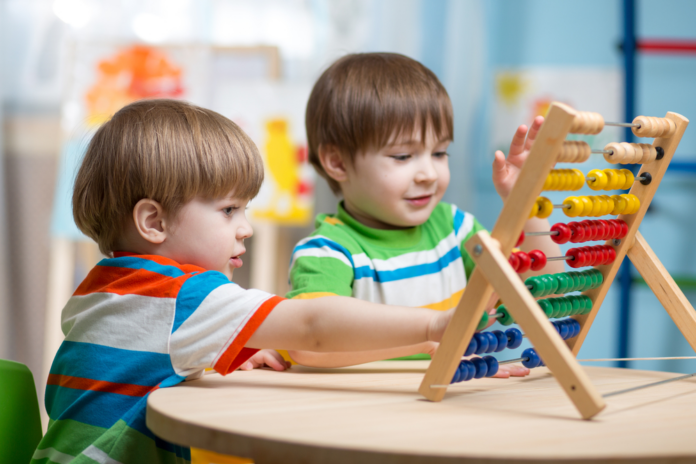
Preschool plays a pivotal role in preparing children for formal schooling by offering structured educational experiences in a supportive setting. In a preschool, children are introduced to foundational concepts in literacy, numeracy, and science through interactive activities and play-based learning. This approach encourages curiosity, problem-solving, and social interaction, helping children develop confidence and a love for learning. Innovative preschools are increasingly incorporating technology, hands-on projects, and flexible learning spaces that adapt to each child’s interests and abilities. Such environments allow children to engage in collaborative learning, explore their creativity, and develop critical thinking skills from an early age.
Daycare Center: Supporting Growth Beyond the Classroom
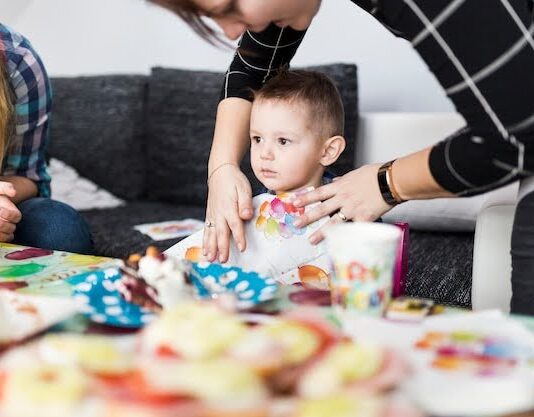
A daycare center provides a safe and nurturing space for children outside of home hours, combining care with early education opportunities. Daycare centers are no longer solely focused on supervision; they now emphasize holistic development, including physical activity, emotional support, and cognitive stimulation. Many centers implement structured schedules that balance free play, guided learning, and group activities, allowing children to learn social skills and practice cooperation in a community setting. Innovative daycare centers also integrate mindfulness practices, outdoor education, and themed learning experiences that cater to children’s diverse needs, ensuring that each child receives individualized attention while thriving in a group environment.
Play-Based Learning: Encouraging Exploration and Creativity
One of the most influential approaches in early childhood education is play-based learning. By allowing children to explore, experiment, and engage in imaginative play, educators can nurture curiosity and creativity. Play-based learning helps children develop problem-solving abilities, emotional intelligence, and language skills naturally. Modern programs often incorporate sensory activities, role-playing scenarios, and interactive storytelling, encouraging children to connect with the world around them while learning essential academic and social skills. This approach also supports self-directed learning, where children take an active role in their own education, fostering independence and confidence.
STEAM Integration: Combining Science, Technology, Engineering, Arts, and Math
Incorporating STEAM (Science, Technology, Engineering, Arts, and Math) into early childhood programs provides children with a comprehensive, hands-on learning experience. By engaging with practical experiments, creative projects, and technology-based tools, children develop critical thinking and problem-solving skills while exploring interdisciplinary concepts. STEAM integration encourages curiosity and innovation, helping children connect ideas from multiple domains and apply them in real-world contexts. This approach not only enhances cognitive development but also nurtures collaboration, adaptability, and resilience—qualities essential for success in later schooling and life.
Family and Community Engagement: Strengthening Support Networks
Modern early childhood education emphasizes collaboration with families and communities to create a consistent and supportive learning environment. Involving parents in educational activities, offering workshops, and maintaining regular communication ensures that learning continues beyond the classroom. Community partnerships with libraries, cultural institutions, and local organizations provide children with additional resources and opportunities for enrichment. By fostering strong connections between educators, families, and communities, children benefit from a well-rounded support system that enhances their development and overall well-being.
Conclusion
Innovative approaches to early childhood education and care are transforming the way children learn and grow. Preschools and daycare centers now focus on holistic development, creativity, and individualized learning experiences, while play-based learning, STEAM integration, and family engagement further enrich the educational journey. By embracing these progressive methods, educators and caregivers can provide children with a strong foundation for future success, equipping them with the skills, confidence, and curiosity needed to navigate an ever-changing world. Early childhood is more than preparation for school—it is a critical stage for fostering lifelong learning and well-being.