The years between two and four are among the most developmentally significant in a child’s life. Language acquisition accelerates, social awareness develops rapidly, and the foundations of cognitive learning are laid during this brief but critical window.
Enrolling a child in a quality preschool program during the toddler years gives them structured opportunities to grow in ways that simply cannot be replicated at home or in standard childcare settings.
What a Toddler Preschool Program Offers
A well-designed toddler preschool program provides a structured yet nurturing environment where young children are gently introduced to the concepts of learning through play, group participation, and guided exploration. Activities are carefully crafted to match the developmental capabilities of toddlers while introducing early literacy, numeracy, and creative expression in ways that feel natural and engaging.
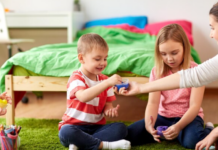
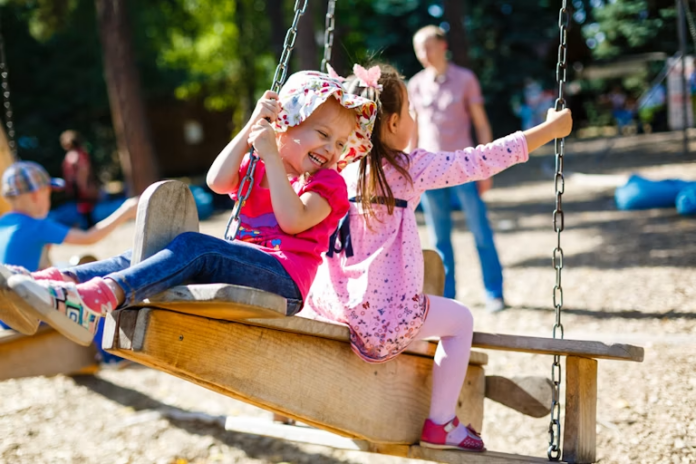
Toddlers benefit enormously from the social dimension of a group program. Sharing materials, taking turns, resolving minor conflicts, and celebrating each other’s achievements are daily experiences in a preschool setting that build the interpersonal skills children will use throughout their lives.
Language and Communication Development
Preschool programs place a strong emphasis on language development, which is the most transformative area of growth during the toddler years. Storytime, songs, rhymes, and guided conversation all stimulate vocabulary expansion and language comprehension in ways that are both effective and enjoyable.
Children who are immersed in rich language environments during the preschool years typically arrive at kindergarten with significantly stronger reading readiness. Teachers in quality toddler programs are trained to extend children’s language by asking open-ended questions, introducing new vocabulary, and encouraging children to express their ideas and observations.
Preparing for the Transition to Kindergarten
Children who have attended a structured preschool program adjust to kindergarten more readily than those entering school without prior group learning experience. They are already familiar with classroom routines, understand how to listen and follow directions in a group setting, and have practiced the focus and self-regulation that formal schooling requires.
This smoother transition benefits not only the individual child but also the classroom environment, as children who are better prepared contribute to a more productive and positive learning atmosphere for everyone.
Emotional and Social Confidence Building
A toddler preschool program also plays an important role in building emotional strength and social confidence. At this age, children are still learning how to manage big feelings like frustration, excitement, or disappointment. In a supportive classroom, they begin to understand these emotions and learn safe and positive ways to express them.
Teachers guide children through simple problem-solving, helping them use words instead of actions when conflicts happen. Over time, children start to feel more confident in group settings. They learn that they can make friends, join activities, and take small risks like speaking in front of others or trying new tasks.
Conclusion
A quality toddler preschool program is a gift that keeps giving throughout a child’s educational journey. By investing in structured early learning during these formative years, families give their children the skills, confidence, and enthusiasm for learning that set them apart from the very beginning of their school career.
The social connections formed, the language skills built, and the curiosity nurtured in preschool create a foundation that supports children’s growth and achievement for years to come.