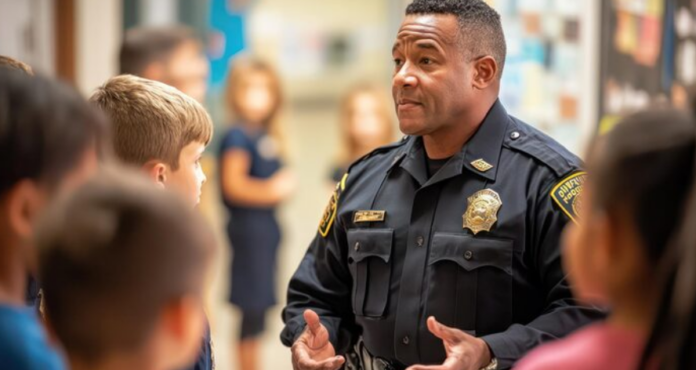
Police education plays an important role in helping students understand their responsibilities as members of society. It teaches them about laws, public safety, respect for others, and the importance of making good decisions. By learning about law enforcement and community safety, students can develop positive habits and understand how their actions affect others. Police education also encourages young people to become more aware of social issues and contribute to a peaceful and safer community.
Understanding the Importance of Laws and Rules
One of the main benefits of police education is that it helps students understand why laws and rules are necessary. Every society needs rules to maintain peace, protect people’s rights, and prevent harmful behavior. When students learn about these rules, they can better understand how their actions affect others.
Police education explains the purpose of laws in simple and practical ways. Students can learn about traffic regulations, public behavior, personal safety, and the consequences of breaking the law. This knowledge encourages them to follow rules because they understand the importance of fairness, discipline, and responsibility.
Developing Respect for Others
Respect is an essential quality of a responsible citizen. Students need to understand that everyone deserves fair treatment, regardless of their background, beliefs, or personal differences. Police education can support this understanding by teaching young people about equality, individual rights, and peaceful communication.
Through classroom discussions and educational activities, students can learn how to resolve disagreements without using violence or harmful language. They can also develop greater respect for teachers, parents, classmates, and other community members. These lessons help create a positive school environment and encourage students to build healthy relationships.
Improving Safety Through Education
Police education helps students recognize common safety risks and learn how to respond to different situations. For example, they can learn about road safety, online threats, bullying, emergencies, and the importance of protecting personal information. This knowledge allows students to make safer choices in their daily lives.
Students can also learn when and how to seek help from trusted adults or appropriate authorities. Understanding how to report dangerous situations responsibly can protect individuals and the wider community. Through police education, students become more aware of their surroundings and learn how to contribute to public safety.
Encouraging Honesty and Responsibility
Responsible citizens understand that their decisions have consequences. Police education can help students develop honesty, self-discipline, and accountability by explaining the importance of accepting responsibility for their actions.
When students understand the effects of dishonesty, bullying, theft, and other harmful behaviors, they may become more thoughtful about their choices. These lessons can encourage them to admit mistakes, learn from experience, and treat others fairly. Developing these qualities at an early age helps prepare students for the responsibilities they will face as adults.
Building Stronger Community Relationships
Police education can improve communication between students, schools, families, and local law enforcement. Educational visits, safety workshops, and community awareness programs give students opportunities to ask questions and learn about the role of police officers in protecting the public.
These activities can reduce misunderstandings and encourage cooperation. Students may become more confident about seeking assistance when needed and more willing to participate in community improvement activities. They can also understand that creating a safe society requires cooperation and respect from everyone.
Conclusion
Police education is a valuable way to prepare students to become responsible citizens. It teaches them about laws, respect, safety, honesty, and community cooperation. By developing these qualities at an early age, students can learn to make better decisions and understand their responsibilities toward others. When schools provide meaningful police education, they help young people become informed, respectful, and active members of society.