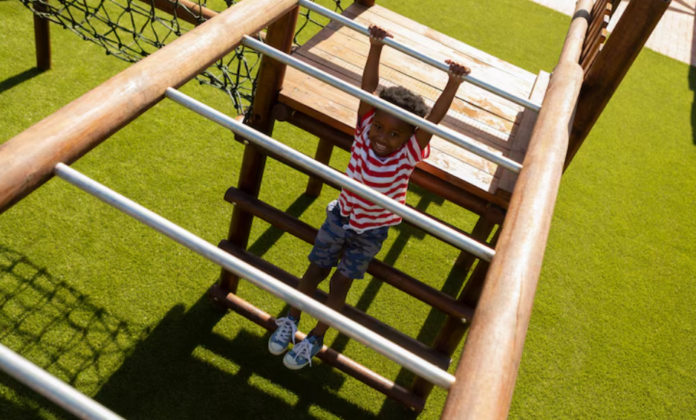
A school’s outdoor area is more than just an open space. It can give students a place to play, exercise, relax, and enjoy time with their friends. A well-designed outdoor area can also support physical activity and make the school environment more welcoming. With the right services, schools can create safe, attractive, and useful spaces that meet the needs of students of different ages.
Playground Installation: Enhancing Outdoor Play
Professional playground installation can turn an unused or outdated area into an exciting place for children. Modern playgrounds can include swings, slides, climbing structures, balance equipment, and other features that encourage children to stay active. A properly planned installation also considers safety, spacing, accessibility, and the age of the students. Choosing durable equipment and having it installed correctly can help create a playground that students can enjoy for many years.
Playground Artificial Turf Installation: Creating a Comfortable Surface
A playground with artificial turf can provide a clean and attractive surface for students to play on. Artificial turf stays green throughout the year and generally requires less regular maintenance than natural grass. It can also create a consistent playing surface that is useful for running, games, and other outdoor activities. Professional installation helps ensure that the turf is properly prepared, secured, and suited to the school’s daily use.
Outdoor Sports Court Installation: Supporting Active Students
Sports courts can make a school’s outdoor area more useful for physical education and recreational activities. Depending on the available space, schools can add areas for basketball, volleyball, tennis, or other sports. A properly constructed court provides a defined space where students can practice skills, play organized games, and stay physically active. Good surfaces, clear markings, and suitable safety features can make these spaces more enjoyable and practical.
Outdoor Seating Areas: Providing Space to Relax
Students and staff also need comfortable areas where they can sit and take a break. Outdoor seating services can include benches, picnic tables, shaded seating, and other suitable furniture. These spaces can be placed near playgrounds, gardens, or activity areas. They can give students a place to rest between activities while also creating useful spaces for teachers to supervise outdoor areas.
School Landscaping: Improving the Overall Environment
Professional landscaping can make a school’s outdoor area more attractive while creating a pleasant environment for students and staff. Trees, plants, flower beds, and carefully planned green spaces can add natural beauty and provide shade. Landscaping can also help define different areas of the school grounds, such as play zones, walking spaces, and quiet areas. Low-maintenance plants can be selected to reduce the amount of ongoing care required.
Shade and Safety Features: Making Outdoor Areas More Comfortable
Outdoor spaces should be designed with student comfort and safety in mind. Shade structures can provide protection from strong sunlight and make outdoor activities more comfortable. Schools can also consider suitable fencing, soft surfaces around play equipment, proper drainage, lighting, and clearly defined pathways. These features can help reduce potential hazards and make the outdoor environment easier to use throughout the school year.
Walking Paths: Encouraging Movement Around the School
Well-designed walking paths can connect different parts of a school’s outdoor area and encourage students to move around safely. Paths can be used for walking, supervised activities, and outdoor learning. Durable materials and proper drainage can help them remain usable in different weather conditions. Adding paths around gardens or recreational areas can also make the entire school grounds feel more organized.
Conclusion
Improving a school’s outdoor area can create valuable opportunities for learning, exercise, recreation, and relaxation. Services such as playground installation, artificial turf installation, sports courts, landscaping, seating, shade structures, and walking paths can work together to create a safer and more enjoyable environment. By planning these improvements carefully and choosing durable solutions, schools can develop outdoor spaces that benefit students and staff for years to come.