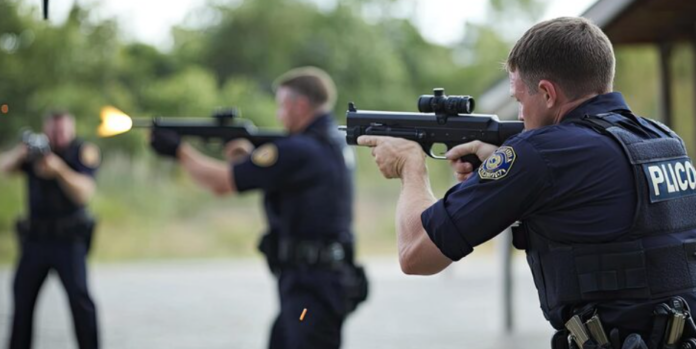
Police officers have an important role in protecting communities, responding to emergencies, and maintaining public safety. To handle these responsibilities properly, they need a combination of knowledge, practical abilities, and professional skills. Police training prepares officers for different situations they may face during their careers. It helps them improve their confidence, judgment, communication, physical abilities, and understanding of their duties.
Police Training Builds Essential Communication Skills
Communication is a major part of police work. Officers regularly interact with members of the public, victims, witnesses, colleagues, and other professionals. They need to explain information clearly, listen carefully, and remain respectful even during stressful situations.
Through police training, officers can learn how to communicate in a calm and professional manner. Good communication can help reduce misunderstandings, gather useful information, and create better relationships between officers and the communities they serve.
Improving Decision-Making Skills
Police officers often have to make important decisions within a short period. A situation can change quickly, so officers need to understand the circumstances and choose an appropriate response.
Police training provides officers with classroom lessons, practical exercises, and realistic scenarios that allow them to practice decision-making. These experiences can teach officers how to assess risks, consider different options, and follow established procedures. With regular practice, officers can become more confident when dealing with challenging situations.
Developing Physical and Practical Abilities
Physical fitness is another important part of preparing for police duties. Officers may need to respond to emergencies, assist people in danger, or manage physically demanding situations. Training can help them develop strength, coordination, endurance, and awareness.
Practical instruction also helps officers understand how to use their equipment correctly and safely. Repeated practice allows officers to become familiar with important procedures before they need to use them in real situations.
Strengthening Problem-Solving Abilities
Police work can involve unexpected problems that require careful thinking. Officers may need to collect information, understand different circumstances, and determine the most suitable way to respond.
Police training uses practical scenarios and other learning methods to help officers develop problem-solving skills. Officers can learn to stay focused, examine important details, and approach difficult situations in an organized manner. These skills can support effective performance in many areas of law enforcement.
Learning Teamwork and Professional Responsibility
Police officers often work with other officers and public safety professionals. Strong teamwork allows people to share information, coordinate their actions, and support one another during important situations.
Police training also teaches professional responsibility and ethical conduct. Officers learn the importance of following laws, respecting individual rights, taking responsibility for their actions, and treating people fairly. These principles help create a strong professional foundation for a long-term career.
Supporting Continued Career Development
Learning does not stop after an officer completes initial training. Police officers may need additional education as their duties, technology, and community needs change. Continued police training can help experienced officers maintain their knowledge and develop new abilities.
Advanced training may also help officers prepare for specialized responsibilities or leadership positions. Ongoing learning allows officers to remain prepared and adaptable throughout their careers.
Conclusion
A career in law enforcement requires more than basic knowledge. Officers need strong communication, decision-making, physical, problem-solving, teamwork, and professional skills. Police training provides the structured education and practical experience needed to develop these abilities. By learning continuously and practicing their skills, officers can become better prepared for their responsibilities and build successful, professional careers in law enforcement.