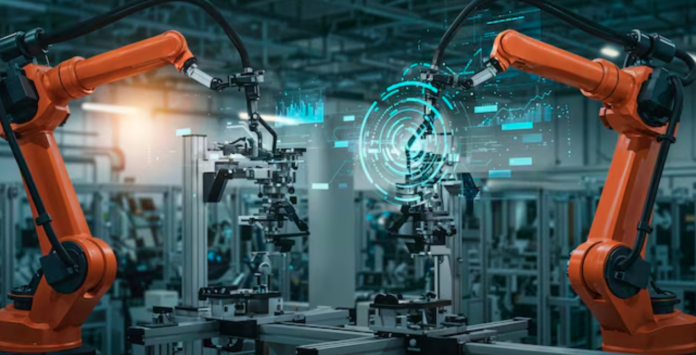
The modern manufacturing landscape is undergoing a profound transformation driven by rapid technological advancements. As companies strive to maintain a competitive edge, the adoption of advanced machinery and software has become a necessity rather than an option.
Implementing these systems allows organizations to streamline operations, reduce human error, and achieve a level of precision that was previously unattainable.
For businesses looking to scale their production and optimize their workflows, investing in industrial automation solutions is a strategic move that delivers tangible long-term benefits across various operational metrics.
Maximizing Operational Efficiency
At the core of any automated system is the drive for efficiency. By replacing manual, repetitive tasks with precision robotics and smart software, manufacturers can ensure that production lines run continuously without the fatigue associated with human labor.
This shift significantly reduces cycle times and eliminates bottlenecks that often plague traditional setups.
When you integrate industrial automation solutions, you create a seamless flow of production where every component is synchronized, allowing for higher output and more predictable timelines for meeting customer demands.
Improving Product Quality and Consistency
Human error is an inevitable challenge in manual assembly, often leading to variability in product quality. Automated systems, however, are programmed to perform tasks with exact repeatability, ensuring that every single unit meets the same high standards.
From precise welding and assembly to quality control inspections using computer vision, these technologies ensure that defects are minimized.
By maintaining a uniform level of quality, companies can significantly reduce waste and rework, thereby saving both time and resources while building a stronger reputation for excellence.
Enhancing Workplace Safety
One of the most compelling reasons to move toward technology-driven processes is the improvement of occupational safety. Many industrial environments involve hazardous conditions, such as extreme temperatures, heavy lifting, or exposure to volatile substances.
By assigning these dangerous tasks to automated machines, businesses can drastically reduce the risk of workplace injuries.
Creating a safer environment not only protects employees but also reduces costs associated with insurance, downtime, and legal liabilities, making the workplace more sustainable and human-centric.
Reducing Long-Term Operational Costs
While the initial investment in technology might seem substantial, the return on investment is often realized through significant long-term savings. Automation reduces the reliance on intensive manual labor, optimizes energy consumption, and decreases the amount of wasted raw materials.
Furthermore, predictive maintenance technologies can identify potential equipment failures before they occur, preventing costly, unscheduled downtime.
Utilizing industrial automation solutions allows firms to lower their cost-per-unit, giving them the flexibility to offer better pricing and increase their profit margins.
Facilitating Scalability and Flexibility
Market demands can change rapidly, and businesses must be able to adapt quickly to survive. Modern systems are designed with modularity in mind, allowing manufacturers to reprogram or reconfigure their lines to accommodate new product variations with minimal disruption.
This high level of flexibility ensures that businesses can respond to shifting consumer preferences without needing to overhaul their entire infrastructure.
By leveraging industrial automation solutions, companies can effectively scale their operations to meet seasonal spikes or long-term growth objectives.
Data-Driven Decision Making
Automation does more than just move parts; it generates massive amounts of actionable data. Advanced sensors and integrated software platforms provide real-time insights into machine performance, energy usage, and output metrics.
This transparency empowers management to make informed, evidence-based decisions rather than relying on guesswork.
By analyzing this data, leadership can continuously refine processes, identify new areas for improvement, and ensure that the facility operates at peak performance, ensuring sustained growth in an increasingly complex and interconnected global market.